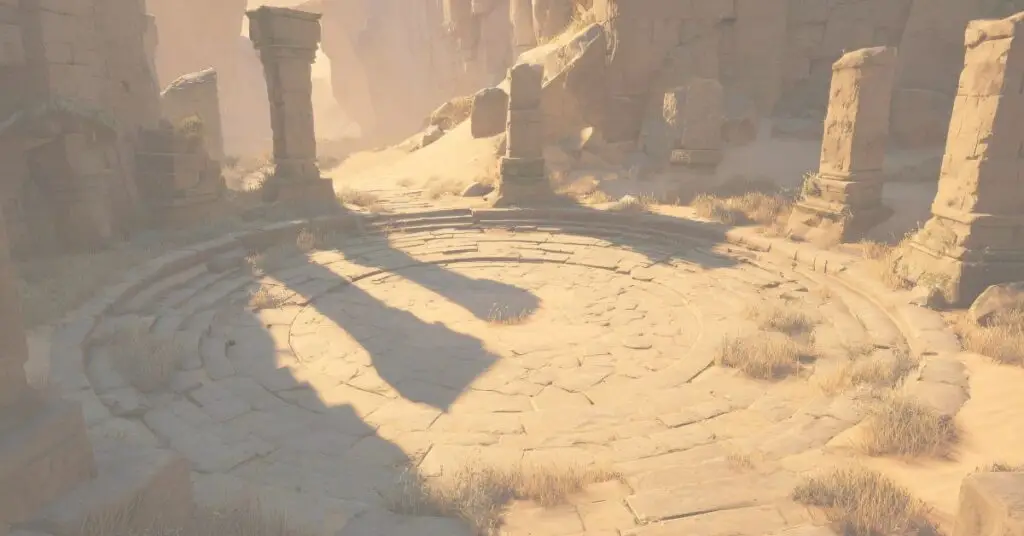
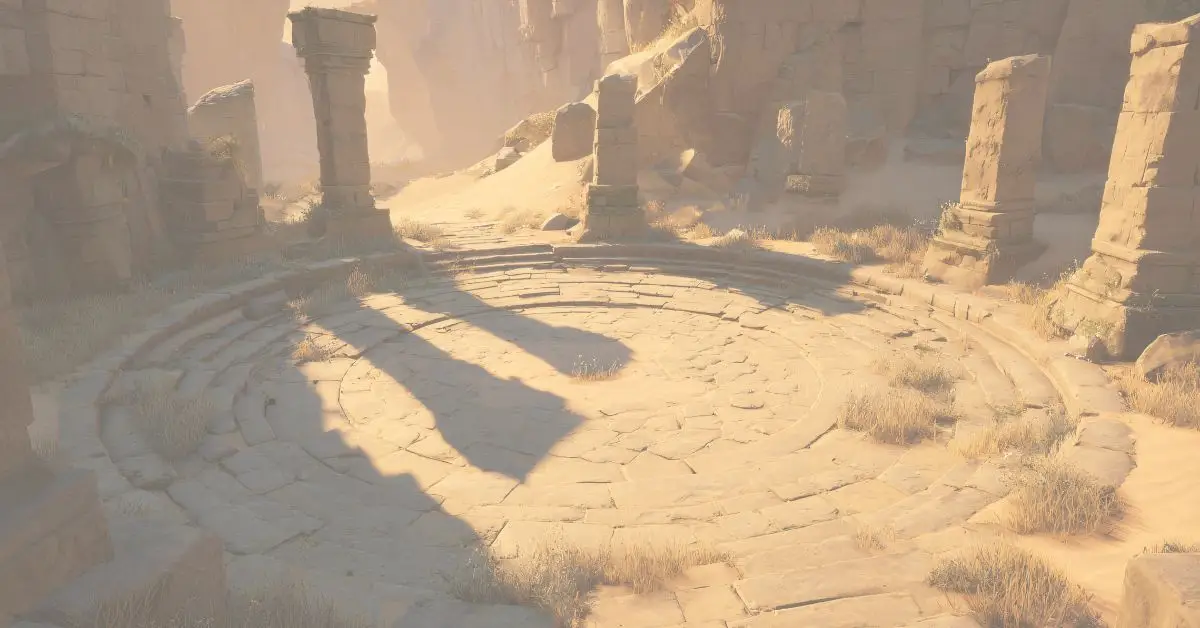
Celtic Ruins, Living Words: Poetry Among Stone, Moss, and Memory Celtic ruins have a way of holding silence without feeling empty. Stone circles, broken abbeys, moss-covered castles—these places don’t beg for attention, but they keep it. For poetry lovers, especially those already fluent in metaphor and myth, Celtic ruins feel less like landmarks and more like collaborators. With St. Patrick’s Day stirring up questions of heritage, identity, and belonging, this is the perfect moment to return to Celtic-inspired poetry—not the tourist version, but the kind rooted in endurance, grief, humor, and awe. The kind that understands life is hard, history is complicated, and beauty still shows up anyway. Why Celtic Ruins Keep Showing Up in Poetry Celtic ruins are unfinished sentences. They resist closure. And that’s exactly why poets keep returning to them. In Irish poetry especially, ruins are rarely nostalgic props. They’re active witnesses—to colonization, famine, faith, rebellion, survival. When poets write about Celtic ruins, they’re often writing about what remains after systems fail and people endure. Think of Seamus Heaney’s grounding attention to land and labor, or Eavan Boland’s insistence on including women and domestic life in Irish poetic history. The ruin becomes a site of tension: beauty
Get on the list for the best poetry newsletter out there.
Joining this list will get you the hookup for: email newsletters, updates on new poetry resources, contests, giveaways, gift guides and more! Wanna know more? Check out our Privacy Policy & Terms of Service.