"Poetry is supposed to rhyme!" - That English teacher you didn't like in school.
Except we all know that isn’t true.
So, let’s look at what makes free verse poetry so unique. Why is it special? What brought it about? Most importantly, can free verse rhyme?
Writing free verse is like playing tennis with the net down.
Robert Frost
What is Free Verse Poetry?
It is not just shameful for a contemporary American poet to use rhymes, it is unthinkable.
Joseph Brodsky
Who Started Free Verse Poetry?
If you are looking for someone to blame or thank for breaking the poetry mould and throwing away the rules, Walt Whitman is generally considered the father of American free verse.
While the concept of free verse poetry wasn’t invented by Whitman, it was his collection Leaves of Grass that started the movement. That groundbreaking collection allowed poetry to breathe in a way it hadn’t in the past. This new style removed the traditional and restrictive barriers of poetic form, opening up poetry to more writers and readers than ever before.
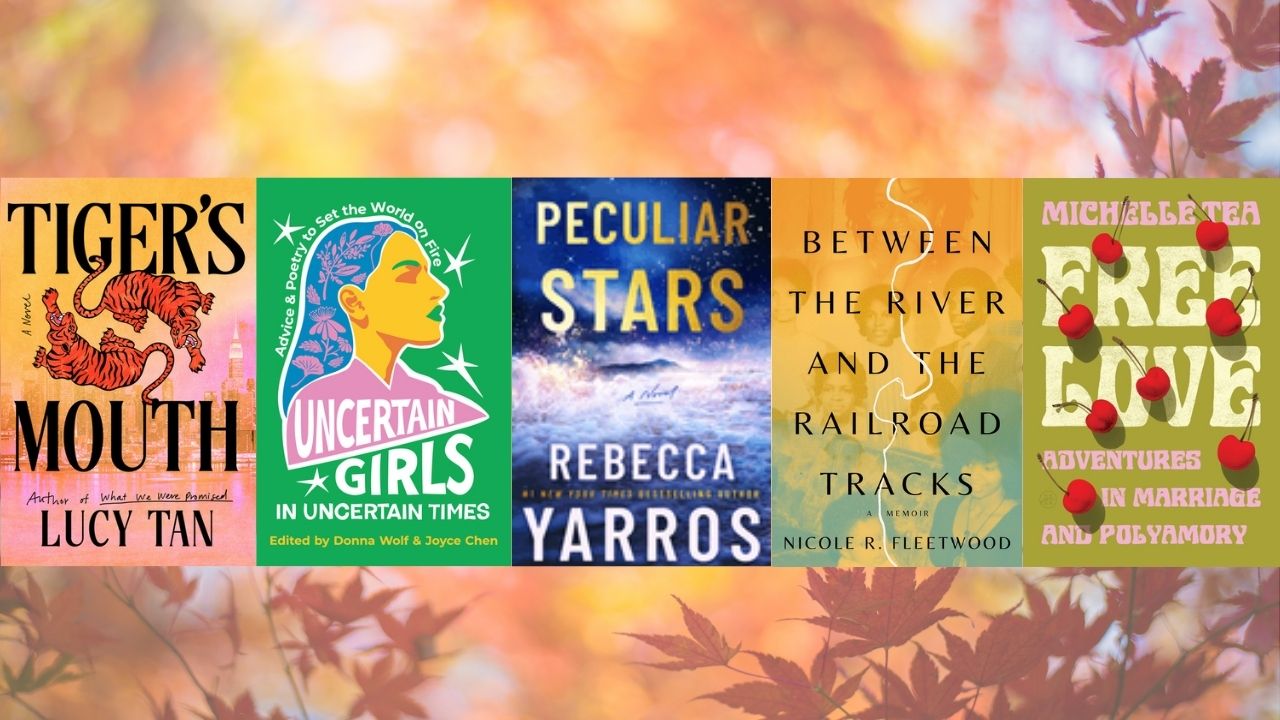
Whitman inspired others to take up the form later, such as William Carlos Williams, T.S. Eliot, and Pablo Neruda. Today, most poetry is written in free verse. Next time you open a collection by Rupi Kaur, Nikita Gil, or Ocean Vuong, think about how the form and freedom of the poem affects the meaning or your experience with it.
Free verse seemed democratic because it offered freedom of access to writers.
James Fenton
Free Verse Poetry to Read
That’s the magic of free verse. It doesn’t need rhyme or meter to move you. It just needs honesty, intention, and a poet brave enough to trust the words.
Ready to try writing your own free verse poem? Check out our poetry guides and journals.